
Understanding Traffic Violations
What Are Traffic Violations?
Definition and Overview
Traffic violations are offenses drivers commit that breach traffic laws set by local, state, or federal authorities. These violations range from minor infractions, like parking tickets, to severe offenses like DUI (Driving Under the Influence).
Types of Traffic Violations
Speeding
Speeding is one of the most common traffic violations and involves driving over the speed limit set by law. This infraction can lead to hefty fines, points on your driving record, and increased insurance premiums.
Running Red Lights
Running a red light is a serious traffic violation that endangers the driver, pedestrians, and other motorists. This offense often results in significant fines and points on the driver’s license.
Stop Sign Violations
Failing to stop at a stop sign can lead to traffic citations and is considered a moving violation. This can negatively impact your driving record and result in increased insurance rates.
Reckless Driving
Reckless Driving is defined as operating a vehicle with willful disregard for the safety of persons or property. This violation can lead to severe penalties, including fines, license suspension, and jail time.
Driving Under the Influence (DUI)
Driving under the influence of alcohol or drugs is a major traffic violation. DUI offenses carry severe consequences, including license revocation, hefty fines, and potential jail time.

Distracted Driving (e.g., texting while driving)
Distracted Driving, such as texting while driving, is a growing concern and a leading cause of road accidents. This violation is heavily penalized with fines and points on your driving record.
Failure to Signal
Failing to use turn signals when changing lanes or turning can result in traffic citations. This violation impacts road safety and can lead to fines and points on your driving record.
Illegal Lane Changes
Making illegal lane changes, such as weaving in and out of traffic, is dangerous and can result in traffic tickets and points on your driving record.
Parking Violations
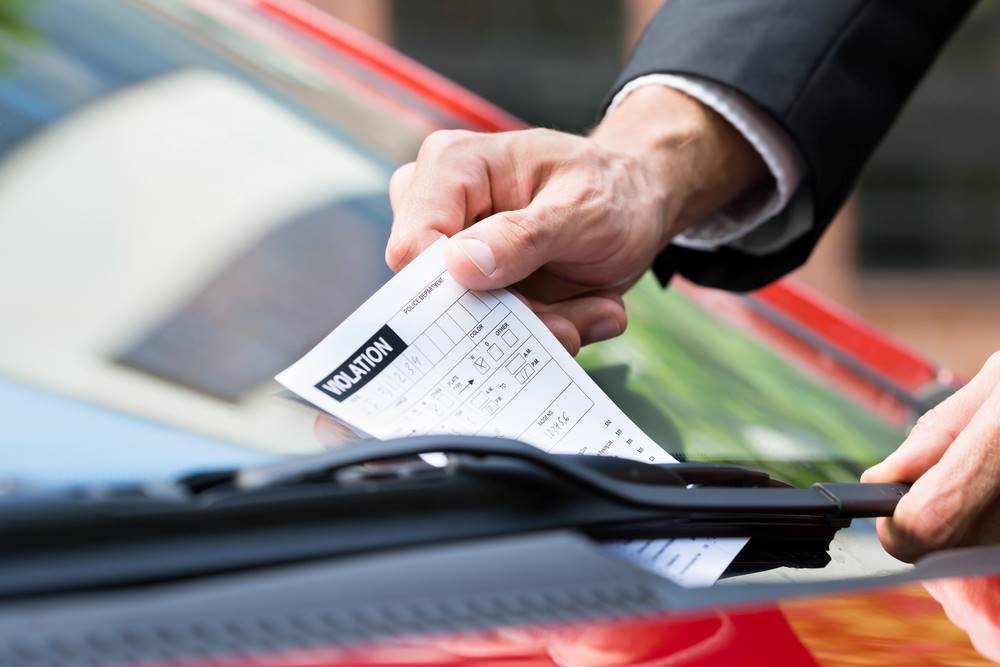
Parking violations include parking in a no-parking zone or handicapped space without proper authorization. These violations generally result in fines but can escalate if left unpaid.
Legal Consequences of Traffic Violations
Fines and Penalties
Traffic violations typically result in fines, which vary depending on the severity of the offense and the jurisdiction. Paying these fines promptly is crucial to avoid additional penalties.
Points on Your Driving Record
How Points Accumulate
Points are added to your driving record for each traffic violation you commit. The number of points depends on the severity of the offense.
Impact on Driver’s License
Gathering an excessive number of points may result in the suspension or revocation of your driver’s license. Different states have varying point systems and thresholds for such penalties.
Effect on Insurance Premiums
Traffic violations and the points they carry can significantly increase your car insurance premiums, as insurers view drivers with violations as higher risk.
License Suspension or Revocation
Serious or frequent traffic violations may lead to the suspension or revocation of your driver’s license, affecting your ability to drive legally.
Potential Jail Time
Certain traffic offenses, such as DUI or reckless Driving, can result in jail time.
Long-Term Consequences
Employment Impacts
Traffic violations, especially severe ones, can impact your employment, mainly if your job involves driving.
Impact on Driving Privileges
Severe violations can lead to long-term or permanent loss of driving privileges.
Professional Licensing Issues
Certain professions require a clean driving record. Traffic violations can jeopardize professional licenses in fields like trucking or delivery services.
How to Contest a Traffic Violation
Deciding Whether to Contest
Determining whether to contest a traffic violation involves assessing the evidence and potential consequences.
Collecting Evidence
Photographic Evidence
Photographs can help challenge a traffic citation, showing, for example, that a traffic sign was obscured.
Witness Statements
Statements from witnesses can support your case by providing an account of the incident from another perspective.
Dashcam Footage
Dashcam footage can be crucial evidence, offering an objective record of the events leading to the traffic stop.


The Legal Process
Requesting a Hearing
To contest a traffic violation, you must request a hearing with the court that issued the citation.
Filing a Motion
Filing motions, such as a motion to dismiss, can be part of your legal strategy.
Court Appearance
Appearing in court to present your case is essential. Be prepared with all evidence and a clear argument.
Potential Defenses
Faulty Traffic Signals or Signs
You argue that a faulty traffic signal or sign can be a valid defense.
Improper Law Enforcement Procedures
Improper procedures by law enforcement, such as incorrect citation issuance, can be contested.
Mistaken Identity
If you were incorrectly identified as the violator, mistaken identity can be a defense.
Emergency Situations
Proving that you violated traffic laws due to an emergency can be a valid defense.

Traffic School and Defensive Driving Courses
Purpose of Traffic School
Traffic school aims to educate drivers on road safety and traffic laws, potentially reducing violation penalties.
Point Reduction
Completing traffic school can reduce points on your driving record.
Fine Reduction
In some cases, attending traffic school can reduce the fines associated with a traffic violation.
Insurance Premium Discounts
Some insurance companies offer discounts for completing a defensive driving course.

How to Enroll in Traffic School
Enrollment in traffic school can be done online or through the court handling your case.
Online vs. In-Person Options
Traffic school is available online and in-person, allowing flexibility based on your schedule.
The Impact of Traffic Violations on Insurance
How Violations Affect Insurance Rates
Traffic violations typically result in higher insurance premiums, indicating higher risk to insurers.
Ways to Mitigate Insurance Impact
Completing a defensive driving course or traffic school can mitigate the impact on insurance rates.
Safe Driver Programs and Discounts
Participating in safe driver programs can earn discounts and help maintain lower insurance premiums.
How to Choose a Traffic Violation Lawyer
When to Hire a Lawyer
Hiring a lawyer is advisable for serious traffic violations or if you are contesting a citation.
Qualities to Look for in an Attorney
Look for attorneys with experience in traffic law, a good track record, and clear communication skills.
Questions to Ask During a Consultation
During the consultation, ask about the lawyer’s experience, approach to your case, and fee structure.
Understanding Legal Fees and Costs
Ensure you understand the legal fees and costs involved before hiring a lawyer.
