Understanding Juvenile Crimes
What Are Juvenile Crimes?
Definition and Legal Overview
Juvenile crimes refer to illegal activities committed by individuals who are under the age of 18. These crimes are typically handled by the juvenile justice system, which operates under laws and procedures different from those of the adult criminal justice system. The legal approach to juvenile crimes aims to balance accountability with rehabilitation, acknowledging the unique circumstances and developmental stages of young people.
Common Types of Juvenile Crimes
Juvenile crimes can vary widely, but some of the most common offenses include:
Theft and Shoplifting
Theft and shoplifting are prevalent among juveniles and often involve stealing items from stores or individuals. Depending on the value of the property taken, these crimes can range from petty theft to more serious thefts.
Vandalism
Vandalism, which includes graffiti and property damage, is another common juvenile offense. It involves the deliberate destruction or defacement of property and can have significant legal and financial repercussions.
Drug Possession
Possession of illegal drugs is a serious issue for juveniles. Drug possession charges can lead to severe consequences and often require intervention from juvenile corrections to address substance abuse problems.
Assault
Assault, including physical altercations and violent behavior, is a critical concern within juvenile crime. This can involve threats or physical attacks on others and may lead to severe legal penalties.
Underage Drinking
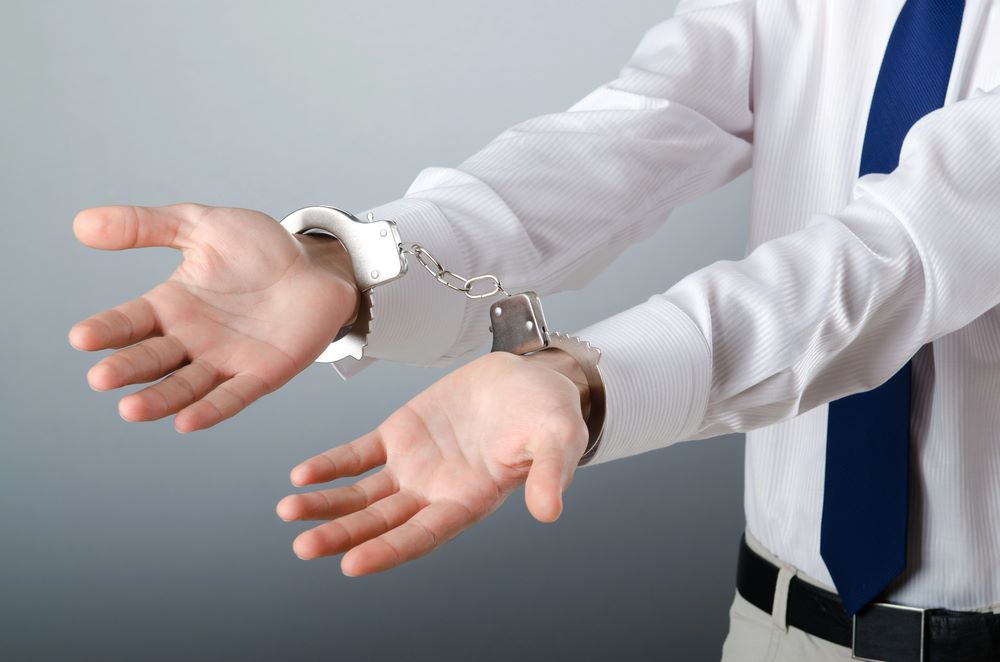
Underage drinking is a frequent issue, with many juveniles facing legal trouble for consuming alcohol before reaching the legal drinking age. This offense can lead to fines, community service, and other penalties.
Truancy
Truancy, or skipping school, is considered a status offense rather than a criminal act but can still result in legal consequences. Schools and the juvenile justice system work together to address chronic truancy.
Differences Between Juvenile and Adult Criminal Justice Systems
The juvenile justice system differs from the adult system in several key ways:
Focus on Rehabilitation: The juvenile system emphasizes rehabilitation and treatment rather than punishment. The goal is to help juveniles reintegrate into society and avoid future criminal behavior.
Confidentiality: Juvenile records are generally sealed or expunged more readily than adult records, allowing young offenders to overcome their mistakes.
Different Court Procedures: Juvenile courts follow different procedures, with a focus on the best interests of the juvenile rather than just legal guilt or innocence.
Legal Consequences of Juvenile Crimes
Penalties and Sentences
Juvenile crimes can result in various penalties and sentences, including:
Juvenile Detention
Juvenile detention involves confinement in a facility designed for young offenders. This is often used for more severe offenses or repeat offenders.
Probation
Probation is a common alternative to detention and requires the juvenile to adhere to specific conditions set by the court, such as regular meetings with a probation officer and adherence to curfews.
Community Service
Community service is another penalty for juvenile offenders, requiring them to perform work for the community as a form of restitution.
Fines and Restitution
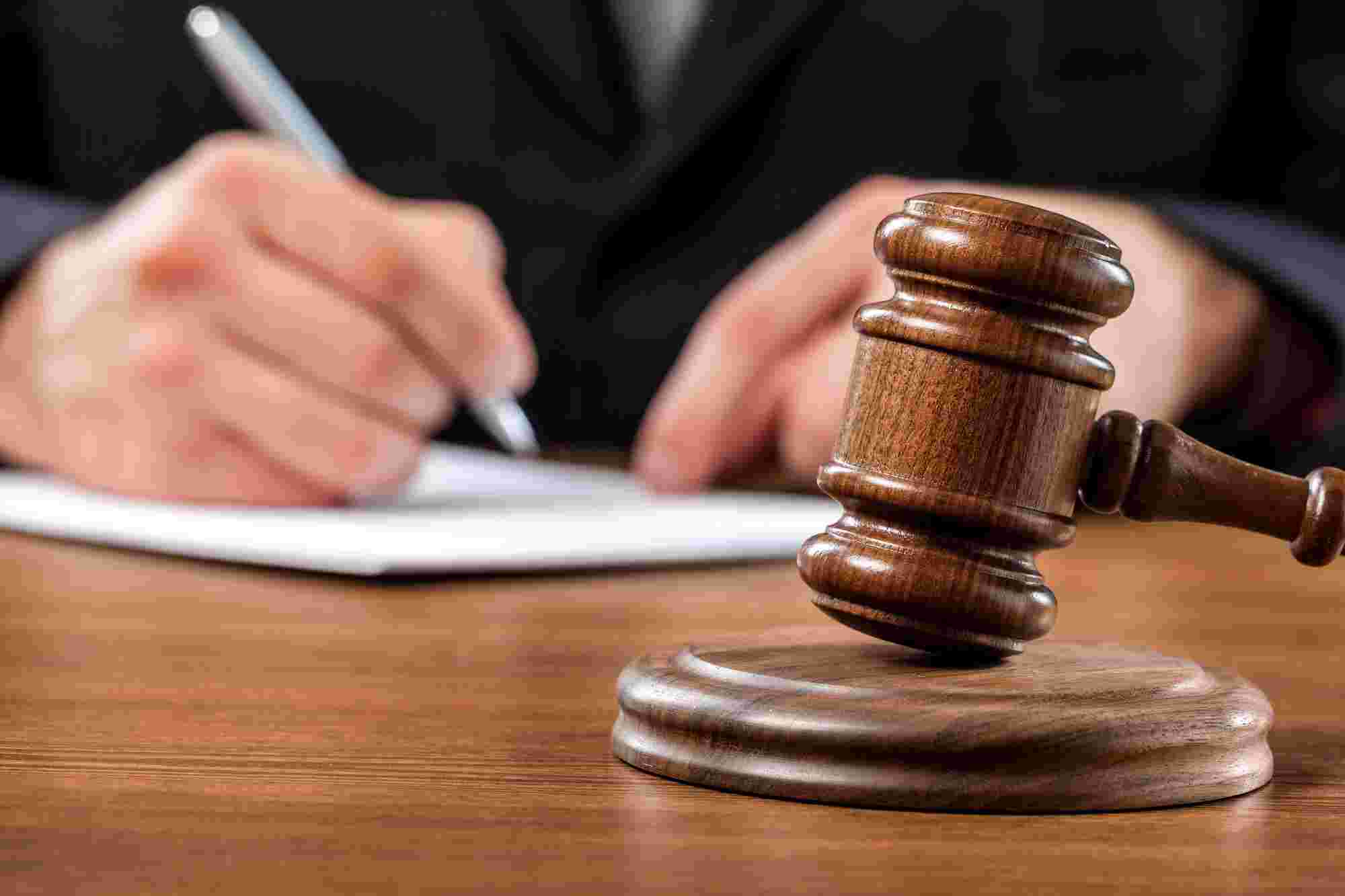
Fines and restitution may be imposed to compensate victims for their losses and to hold the juvenile accountable for their actions.
Impact on Criminal Record
Sealing and Expungement of Juvenile Records
Juvenile records can often be sealed or expunged, allowing individuals to move past their criminal history. This process varies by state and involves petitioning the court to have the record removed or sealed.
Long-Term Consequences
Impact on Education and Employment
A juvenile conviction can impact a young person’s educational and employment opportunities. Schools and employers may view a criminal record negatively, affecting prospects.
Loss of Driving Privileges
Juvenile offenders may face suspension or revocation of their driving privileges, impacting their independence and mobility.
Possible Transfer to Adult Court
Juveniles may sometimes be transferred to adult court for serious offenses. This can lead to more severe penalties and a criminal record that follows them into adulthood.
The Juvenile Justice Process
Arrest and Intake
The juvenile justice process begins with an arrest and intake, where the juvenile is taken into custody and assessed by the court system.
Detention Hearing
A detention hearing determines whether the juvenile should remain in custody pending further proceedings.
Adjudication (Trial)
During adjudication, the court reviews the evidence and determines the juvenile’s guilt or innocence.
Disposition (Sentencing)
If found guilty, the court will issue a disposition outlining the penalties and rehabilitation measures.
Post-Disposition and Probation
Post-disposition involves monitoring and compliance with the court’s orders, including probation requirements.
Appeals and Record Sealing
Juveniles may have the right to appeal their case or seek record sealing once they have fulfilled their sentences.
Rehabilitation vs. Punishment in Juvenile Justice
Emphasis on Rehabilitation
The juvenile justice system emphasizes rehabilitation over punishment to address the underlying causes of criminal behavior and support positive development.
Alternative Programs for Juveniles
Diversion Programs
Diversion programs offer alternatives to formal court proceedings, focusing on rehabilitation and preventing future offenses.
Counseling and Treatment
Counseling and treatment programs address mental health and substance abuse issues that may contribute to criminal behavior.
Educational Programs
Educational programs provide juveniles with the skills and knowledge needed to succeed academically and professionally.
The Role of Parents and Guardians
Parents and guardians play a crucial role in the juvenile justice process, supporting their children through legal proceedings and participating in rehabilitation efforts.
Defenses Against Juvenile Crime Charges
Lack of Intent
A common defense is lack of intent, which states that the juvenile did not intend to commit the crime.
Mistaken Identity
Mistaken identity claims assert that the juvenile was incorrectly identified as the perpetrator.
Coercion or Peer Pressure
Defenses may include claims of coercion or peer pressure, where the juvenile was influenced or forced to commit the crime by others.
Mental Health Considerations
Mental health issues can be a significant factor in defense strategies, highlighting the need for appropriate treatment and intervention.
Unlawful Arrest or Search
Claims of unlawful arrest or search challenge the legality of how evidence was obtained, potentially impacting the case outcome.
How to Choose a Juvenile Defense Attorney
Experience with the Juvenile Court System
When choosing a juvenile defense attorney, consider their experience and familiarity with the juvenile justice system.
Understanding the Differences Between Juvenile and Adult Law
Ensure the attorney understands the differences between juvenile and adult criminal law and can navigate the unique aspects of juvenile cases.
What to Ask a Potential Lawyer
Ask about their approach to juvenile cases, success rates, and strategies for defense.
Legal Fees and Costs
Discuss legal fees and costs upfront to avoid surprises and ensure you understand the financial aspects of representation.